
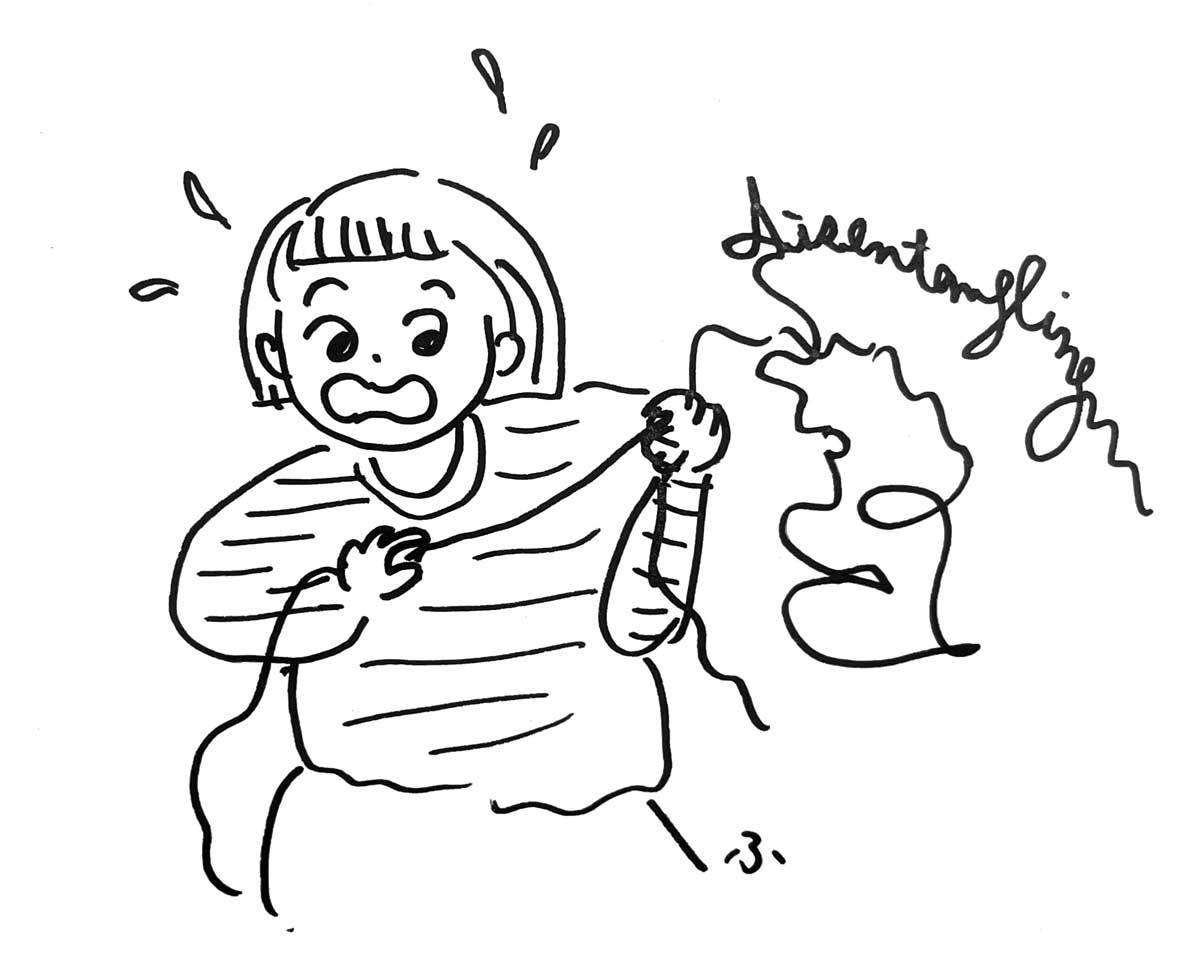
Last month, I shared my roadblocks caused by unhelpful thinking called cognitive distortions along the way to create this site. In this post, let’s talk about how we can challenge and change cognitive distortions.
Dismantling cognitive distortions involves cultivating awareness and consciously examining how we frame our thoughts. Developing positive mental habits is just as crucial as maintaining good physical habits. When we approach situations with a grounded perspective, we are likely to reduce feelings of anxiety and isolation. It doesn’t imply dismissing problems, challenges, or emotions; rather, it encourages addressing them with a proactive attitude, preventing our thoughts and feelings from magnifying anxiety.
So, how do we do it??
Here are the 10 Ways to Untwist Our Thinking Patterns
1) Identify the Cognitive Distortion
My thought starts with something like, (Yes, I’m still talking about my journey of creating a website) “I’m not tech-savvy enough to launch this website,” which then becomes “I’m not good enough to do this thing.” Identifying this distortion allowed me to challenge this negative belief (potentially “I’m not good at anything.”) and replace it with more realistic thoughts like, “I need some/more help to complete this website,” thus “I am capable of completing this project as soon as I obtain the support I need.”
2) Examine the Evidence
I often thought, “I’ll never finish this website. it’s too complicated!” To challenge this thought, I decided to experiment. I dedicated a few hours to working on a single page, taking small steps forward. As I made progress, I realized that my initial belief was unfounded. This small experiment helped me regain my motivation and confidence. You can also reflect on your past achievements like completing other projects successfully. That will help you recognize that you are capable of success.
3) The Double-Standard Method
Whenever I faced a setback, I had a tendency to be overly critical of myself, thinking, “I’m so incompetent.” One day, while discussing my struggles with a friend, they pointed out that I was being far harsher on myself than I would be with anyone else. This realization prompted me to apply the double-standard method. I began speaking to myself with more kindness and understanding, acknowledging that making mistakes and facing challenges is a natural part of the learning process.
4) The Experimental Technique
During one particularly frustrating episode, I felt paralyzed by self-doubt, convinced that I would never figure out certain technical aspects of website development. To put this negative thought to the test, I decided to dedicate an afternoon to tackle those specific challenges. As I worked through the problems, I discovered that I could learn and make progress. This experiment not only improved my technical skills but also boosted my confidence, demonstrating the power of the experimental technique.
5) Thinking in Shades of Grey
I often found myself thinking in black-and-white terms: “I either complete this project perfectly, or I fail miserably.” But one day, after a particularly unproductive stretch, I decided to evaluate my progress on a scale from 0 to 100. Instead of viewing my lack of progress as a complete failure, I acknowledged that I had made some headway. Recognizing that it wasn’t all or nothing allowed me to see the value in each small step forward.
6) The Survey Method
For those who read my previous post know that I vented to just about anyone who was willing to listen to my agony in dealing with WordPress. I also asked them simply, “Is this really what a regular person can do?”, “Why do you think I’m spending this much time on this project (or one aspect of the website, such as a company logo)?”
Ask people questions to find out if your thoughts and attitudes are realistic. In my journey, seeking feedback from friends and professionals helped me gain different perspectives on my project and identify areas for improvement.
7) Define Terms
There were times when I labeled myself harshly, thinking, “I’m a failure for not finishing this website.” One day, while pondering this label, I asked myself, “What does ‘failure’ really mean?” I realized that my definition of failure was too broad and didn’t account for the progress I had made. By breaking down this global label, I was able to see that I had setbacks, but they didn’t define the entirety of my journey.
8) The Semantic Method
Substitute language that is less emotionally-loaded. Instead of saying, “I should have never started making a website,” or “I shouldn’t have procrastinated,” I started saying, “It would have been better if I hadn’t procrastinated.” This shift in language reduced the self-blame and guilt I associated with my delays.
9) Re-attribution
Instead of automatically assuming that you are entirely to blame for a problem, think about the many factors that have contributed to it. In my case, I recognized that external factors like work and family demands played a role in my procrastination, which helped me focus on finding solutions, rather than blaming myself.
10) Cost-Benefit Analysis
List the advantages and disadvantages of a feeling, a negative thought, or a behavior pattern.
-Advantage of feeling frustrated and stuck with my website project = None
-Disadvantage of these feelings = These emotions will further aggravate my avoidance and stop me from viewing the progress in small increments.
-Advantage of thinking “I hate feeling scared of possibly messing up everything I built so far” = It may indicate that I really need some professional help and that I’m tired (and possibly I have tried enough?).
-Disadvantage of these thoughts = These thoughts will affect my mood and bring up more and more unpleasant feelings such as helplessness.
-On one side, I saw the disadvantages: missed opportunities, a growing sense of frustration, and the persistent feeling of being stuck. On the other side, I considered the benefits of completing my project: a sense of accomplishment, professional growth, and the opportunity to share my expertise. This analysis made it clear that the advantages of moving forward far outweighed the drawbacks, motivating me to prioritize the project. **When it comes to procrastination, it’s essential to approach your progress as incremental rather than task completion (and celebrate small wins always!), about which I will share some ideas in a different post.
Many of these techniques are mental work; it’s mostly a way to see if you can come up with a different point of view and challenge your usual thinking pattern.
Sometimes there are situations where you say, “I know it in my head, but…” There are cases where negative cognition you learned from past experiences is so powerful that you can not help but have Hyperactive Protective Thinking Patterns(Cognitive Distortions). EMDR Intensive will be helpful in those cases as it helps client access and reprocess old wounds in a gentle way.
Lastly, if you find yourself slipping into perfectionist tendencies, why not shower yourself with a little self-love? Take a moment, stand in front of the mirror, and dish out some compliments like candy on Halloween. Tell yourself, ‘You nailed it today,’ or ‘You’re rocking it!’ Remember, as we age, receiving praise for the little victories can become rarer than a unicorn sighting. So, go ahead, give yourself a pat on the back. After all, you’re the star of your own story.
認知の歪みを解きほぐそう
以前、このウェブサイト製作中に何度もぶち当たった「認知の歪み(cognitive distortions)」ついて話しました。今回は、ソレをどうするのかについてです。
「認知の歪み」を解きほぐすには、まず自分の思考の枠組み(癖)に気づく、そして意識的に見直していく事をします。良い生活習慣が病気や怪我の予防になるのと同様に、柔軟な思考習慣は精神状態の安定と繋がっています。これは、ニュートラルな視点で状況を観察することができると、不安や心配が和らぐ可能性が高くなるためです。
これは、問題や課題、感情を否定するという意味ではありません。むしろ、それらに主体的な姿勢で向き合うことを促し、思考や感情が不安を必要以上に増幅させてしまうのを防ぐことになるのです。
でも、どうやって?
では、思考のねじれ・歪みをほどく10の方法をみていきましょう。
1)認知の歪みを特定する
私の場合はこんなふうに始まりました(またまたウェブサイト作りの話)
「私はテクノロジーに疎いからウェブサイト作りは結構レベル高いかも。。。」
が次第に
「ウェブサイトを1から作るなんてやっぱり無謀だー。」
「こんな大きなタスクは私には絶対に無理。」
に変わっていきました。
この「考え方の歪み」はそこで止まらず、「私って始めたものを終わらせられないんじゃないか。」という思い込みが一瞬頭をよぎるところまでいき、この時点で、自分が「考え方の歪みパターンにはまってる。」事を自覚しました。この気づきがあったからこそ、「考え方の歪み」を「このウェブサイトを完成させるには、もう少し(あるいは適切な)サポートが必要だ」「必要な支援、サーベスを得られれば、このプロジェクトをやり遂げられる」といった、より現実的な考えに置き換えることができました。
2)証拠を検討する
よく、「このサイトは絶対に完成しない!複雑すぎる!」
と思っていました。そこで、この考えを検証するために実験してみることにしました。
数時間だけ使って、たった1ページに集中して取り組んでみたのです。小さな一歩一歩をちまちまと積み重ねるうちに、最初の思い込みが根拠のないものだと気づきました。この小さな実験が、モチベーションと自信を取り戻す助けになりました。1ページでなくても、1段落、もしくはページの一番上のタイトルの部分、だけでもいいのです。大きな作品をやり遂げようとすると、調べたり解決したりすることが山積みすぎてそれだけで圧倒されたり、やる気が失せてしまうことにもなりかねないためです。少しでも「難しすぎる」「多すぎる」と感じたら、課題を細分化し、一番始めの「これだけ?」と思えるほどの部分に取りかかってみる。
また、過去にうまくやり遂げた他のプロジェクトを振り返るのも有効です。自分には成功する能力があることを思い出す手助けになります。
3)ダブル・スタンダード法(自分にだけ厳しくしない)
つまずくたびに、「私って本当にだめだわー」と自分を責めていました。ある日、その悩みを友人に話したところ、「他人に向けるよりずっと厳しい言葉を自分に使ってる。」と指摘されました。
その気づきから、ダブル・スタンダード法を使い始めました。失敗や困難は学びの一部であると認め、自分自身にも、友人に向けるのと同じ優しさと理解を向けるようになりました。できる限り、です。あくまでも完璧は目指さずに。
4)実験的アプローチ
特にフラストレーションが強かった時期、私は「(ウェブサイト作成で)Aの技術的な部分は一生理解できない」と自己不信に陥っていました。そこで、その考えを試すため、とある日の午後を使ってそのわからない特定の部分だけに取り組んでみました。
結果として、学びがあり前進できたのです。やっとわかった部分はちょっとした事だったのですが、「おお!わかった!」と達成感を得られました。この体験は、技術がついただけでなく、私の自信をも大きく高めてくれました。実験的に何でもやってみる、試してみること(行動力)のパワーなるものを実感した瞬間でした。
5)白黒思考からグラデーション思考へ
私はよく
「完璧にやるか、完全に失敗するか(=もうこのウェブサイト作り丸々やめてしまうか)」という白黒思考に陥っていました。
ある日、思うように進まなかった後で、進捗を0〜100で評価してみることにしました。すると、全敗ではなく、確かに前進している部分があると気づきました。「すべてか、ゼロか」ではないと認識できたことで、小さな一歩一歩の価値が見えるようになったわけです。
6)アンケート法(周囲に聞いてみる)
前回の投稿を読んだ方はご存知かもしれませんが、私はWordPressに苦しみ、話を聞いてくれそうな人誰彼構わずに愚痴をこぼしていました。
そして、こういったことを聞いていました。
「ワードプレスでウェブサイトを作るなんて、普通の人がほんっとにできると思う?」「なんで私はウェブサイト作りにこんなに時間がかかってるんだと思う?」
他者に意見を求めることで、自分の考えや態度が現実的かどうかを確認できます。友人や専門家からのフィードバックは、新たな視点、改善点を見つける助けになりました。
7)言葉を定義し直す
「このサイトを完成させられない自分はポンコツ敗者だ」などと自分にレッテルを貼ることがありました。そこで、「敗者/失敗ってそもそも何?」と問い直しました。
すると、その定義があまりにも大雑把で、これまでの進歩を全く反映していないことに気づきました。全体的なレッテルを分解することで、挫折はあっても、それが私のやってきた(またはやっている事)すべてを定義するわけではないと気づきました。
8)セマンティック・メソッド(言葉を和らげる)
感情を強く刺激する言葉を、より穏やかな表現に置き換えます。
「そもそもサイトなんて作るべきじゃなかった」
「どうして今まで先延ばしにしてしまったんだろう」
ではなく、
「先延ばしにしなければよかったかもしれない」
と言い換えてみました。
ちょっとした言語の変化で自己非難や罪悪感が和らぐ。気づいていただけましたか?
9)再帰属(リ・アトリビューション)
問題が起きたとき、すべて自分のせいだと決めつけるのではなく、影響している複数の要因を考えてみます。
私の場合、仕事や家庭の負担といった外的要因も、ウエブサイト作成の先延ばしに影響していたと気づきました。そのことで、自分を責めるよりも、解決策に目を向けられるようになりました。
10)コスト・ベネフィット分析 (費用便益分析)
感情、否定的な思考や行動パターンの「利点」と「欠点」を書き出します。
- フラストレーションを抱えてウェブサイト制作に行き詰まる利点 ーー>なし。
- フラストレーションを抱えてウェブサイト制作に行き詰まる欠点 ーー>どんどんやりたくなくなる(回避行動が増える)、小さな進歩に気づきにくくなる。
- 「ちょっと(ウェブサイト)をいじってとんでもない事になるではないか」という怯えの利点 ーー>本当に専門的な助けが必要だという事かも。こんなふうに思うのは疲れているサインかも。またはもうできる事はした、といえるかも。
- 「ちょっと(ウェブサイト)をいじってとんでもない事になるではないか」という怯えの欠点 ーー>どんどん落ち込むし、無力な気分や不快な感情が増幅する。
ウェブサイト制作に行き詰まることの欠点として、チャンスを逃す、フラストレーションが増える、常につきまとう停滞感などがあるなと気づきました。反対に、ウェブサイトを完成させる利点として、させたときの達成感、専門的成長、他の方と情報知識を共有できる、などがありました。前に進むメリットの方が圧倒的に大きいと気づき、優先順位を明確にすることができました。
先延ばしに関しては、「タスクの完了」ではなく「段階的な進歩」として捉えることがとても大切です(そしてどんなに小さくても一つ一つの成功を必ず祝うこと!)。これについては、またの機会に話します。
これらの多くは「心の作業」、いつもの思考パターンに挑戦し、別の視点を探り、試すプロセスとも言えます。
しかし中には
「頭ではわかっているけど……」
という状態になることがあります。過去の経験から学んだ否定的認知(状況や外的な要因、もしくは自分に対して)がとても強く、過剰に防衛的な思考パターン(認知の歪み)から抜け出せない場合がそうです。そういうケースでは、EMDRインテンシブによって過去の傷に優しくアクセスし、再処理を促す方法もあります。
最後に。
もし完璧主義に傾いていることに気づいたら、少しだけ自分を甘やかしてみませんか?鏡の前に立って、ハロウィンのお菓子を配るみたいに、どんどん自分に褒め言葉をあげてください。
「今日もよくやった!」
「私、なかなかいいじゃない」
年齢を重ねるにつれ、小さな成功を褒めてもらう機会は、ユニコーンを見るくらい珍しくなっていきます。だからこそ、自分で自分をねぎらいましょう!あなたの物語の主役はあなたなのですから。